Custom Jewellery Manufacturing Methods — How Your Piece Is Made (And Why It Matters)
When commissioning custom jewellery, one of the important — and often overlooked — decisions is how the piece will be made.
The manufacturing method affects not only how your jewellery looks, but how it wears, how it lasts, and how it may be maintained and repaired over time.
At Eli Speaks Jewellery, Kate specialises in handmade custom jewellery, heirloom remodelling, and bespoke engagement and wedding rings. Depending on your design, your stones, and your story, we can work across Hand Fabrication, Casting, and CAD jewellery manufacturing methods.
Let’s explore what they are and what that means for you.
Handmade Jewellery (Hand Fabrication)
Traditional craftsmanship, built to last generations
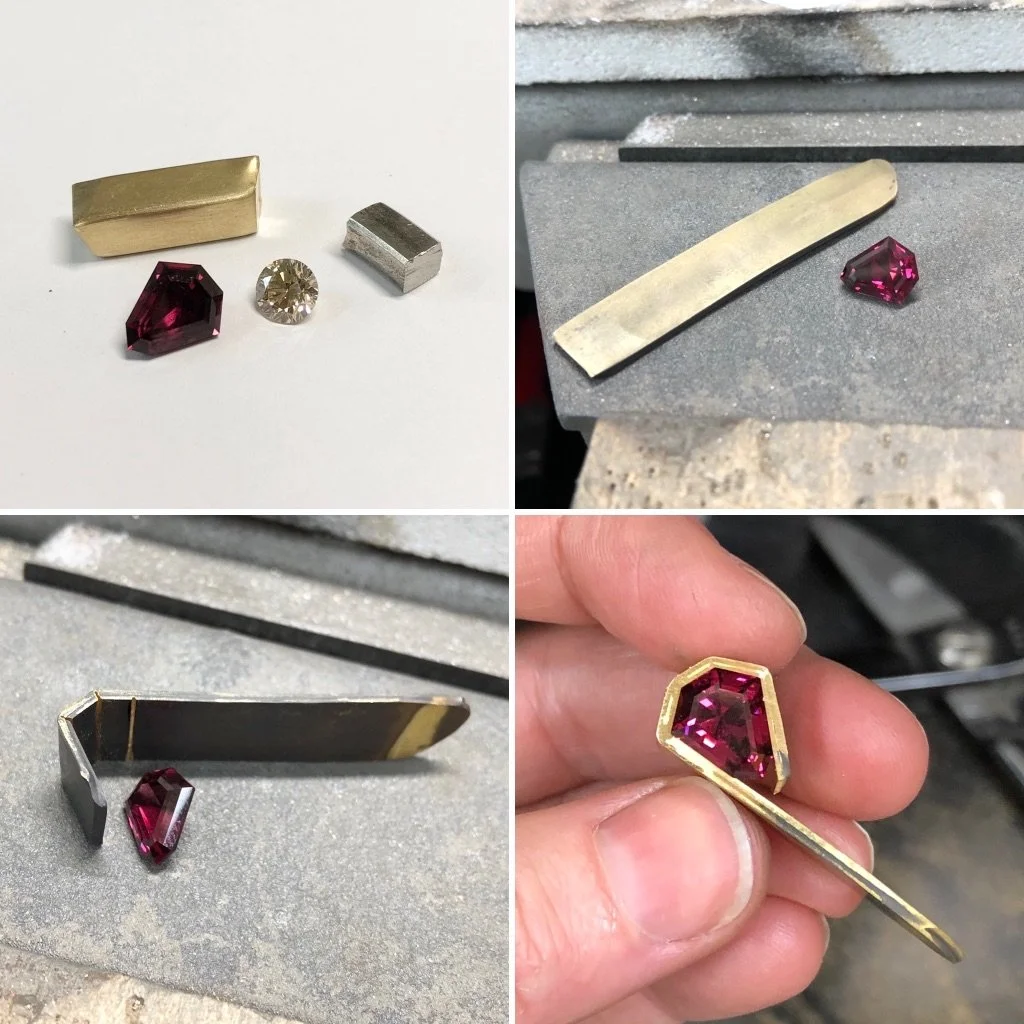
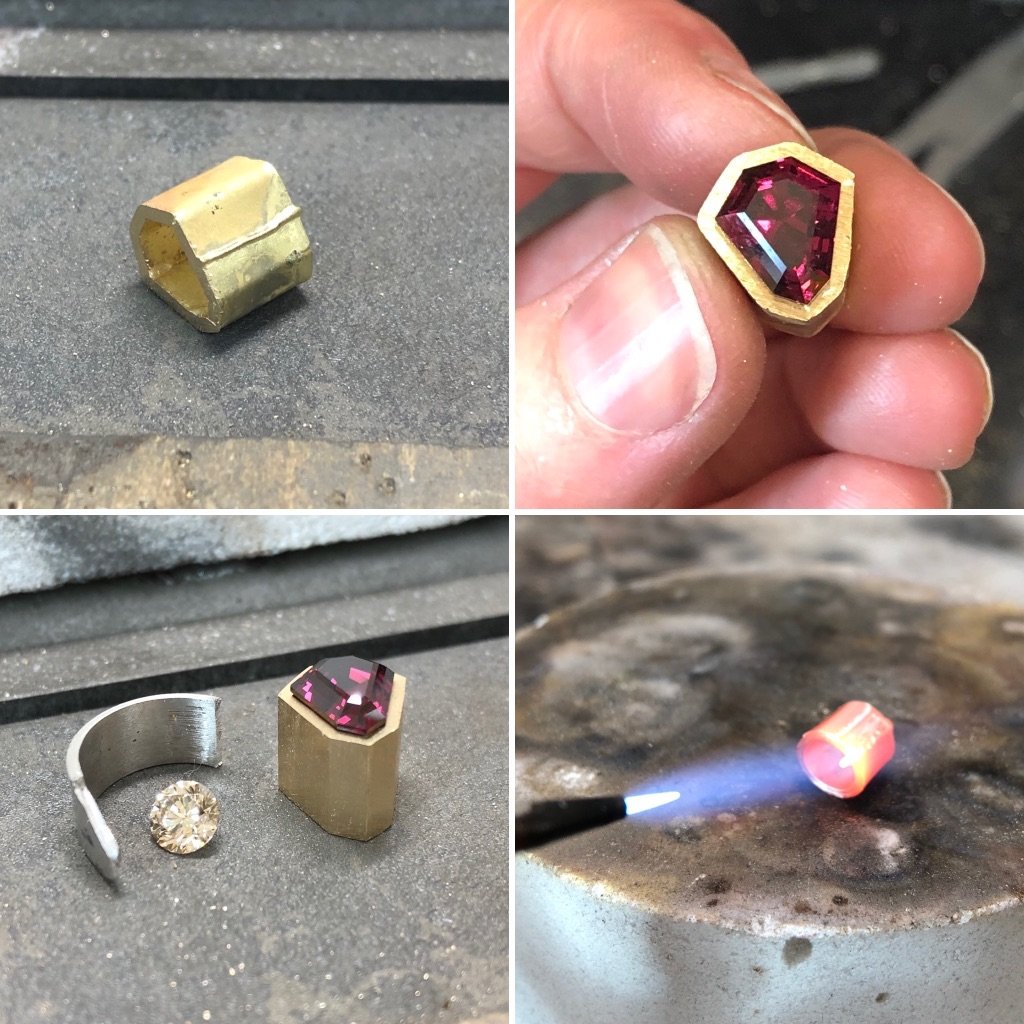
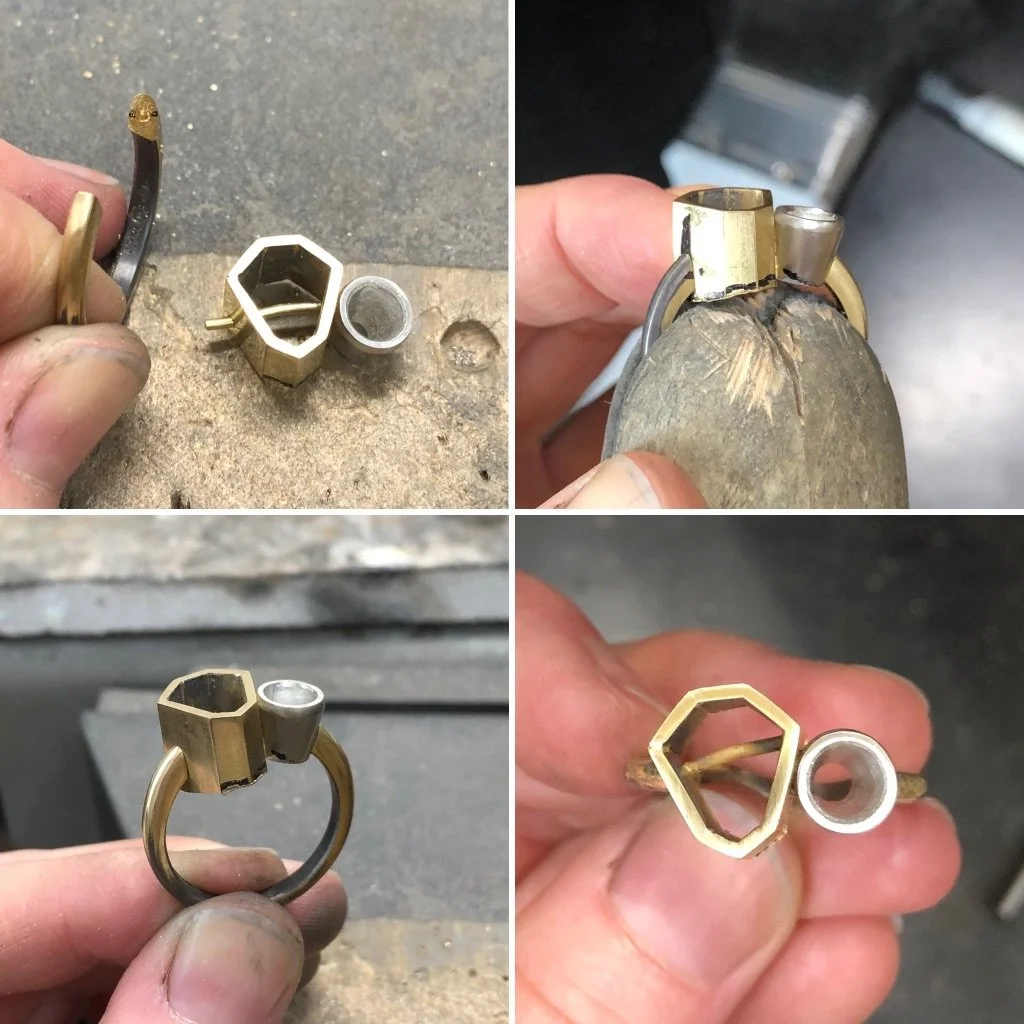
Hand forging and fabrication is the most traditional form of jewellery making. This is the method I use wherever possible.
Your piece is constructed entirely from raw metal — usually alloyed sheet and wire — shaped, hammered, soldered and refined by hand at the bench. Nothing is cast. Nothing is mass produced. It’s perfect for one-off designs.
Because the metal is work hardened as it’s formed, compressing the crystal structure within the metal, handmade jewellery is exceptionally strong and durable. It’s ideal for:
Custom engagement and wedding rings
Heirloom remodelling
Structural, fine-detail designs
Pieces intended to last for decades, or be handed down.
Highly customisable and easy to modify during the making process
Repairs and resizing are often more straightforward
For clients restoring inherited items or redesigning sentimental pieces, this method is both meaningful, and essential. We can’t cast a replacement claw, or half a new ring band to replace the worn one. Hand fabrication skills are necessary for this intricate work.
When using client gold, it is often required that it be hand fabricated, as casting client gold can be problematic for a variety of reasons.
If you’re searching for a Melbourne jeweller who specialises in handcrafted engagement rings or heirloom remodelling, this traditional approach offers longevity and strength.
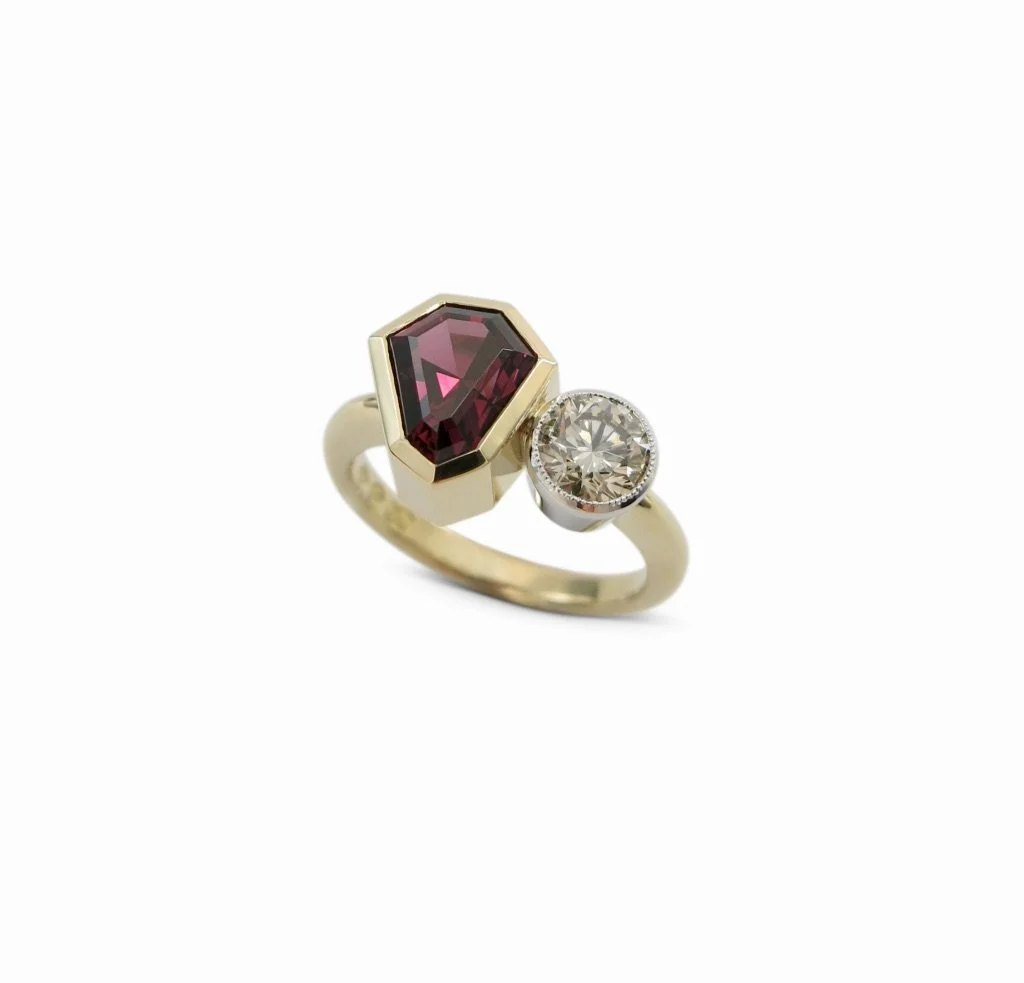
Casting (Wax Carving & Lost Wax Casting)
Organic, sculptural.
Some designs are better sculpted than constructed.
In this process, your piece is hand-carved in wax before being transformed into metal using the traditional lost-wax casting technique. Organic materials like leaves, twigs, or fabric can also be used in place of a wax model.
Wax carving and casting is ideal for:
Organic or nature-inspired designs
Heavily textured rings
Chunky signets or other heavy designs
Sculptural forms and curvy designs
Designs made to be repeated
This method allows for beautiful surface textures and often a more organic feel. It’s especially suited to designs that feel earthy and expressive rather than engineered.
If you love jewellery that feels substantial, organic and tactile, wax carving and casting may be the right path.
Due to the casting process of pouring liquid metal into a mold, these pieces require extra consideration in the making process to create any work hardening for longevity. This method is commonly used for mass-production of the same design, meaning most of your chain store or fashion-oriented jewellers will be selling cast products.
Casting of fine details like claws to hold your gems, can occasionally be problematic over time. We prefer to add handmade claws to cast items where possible.
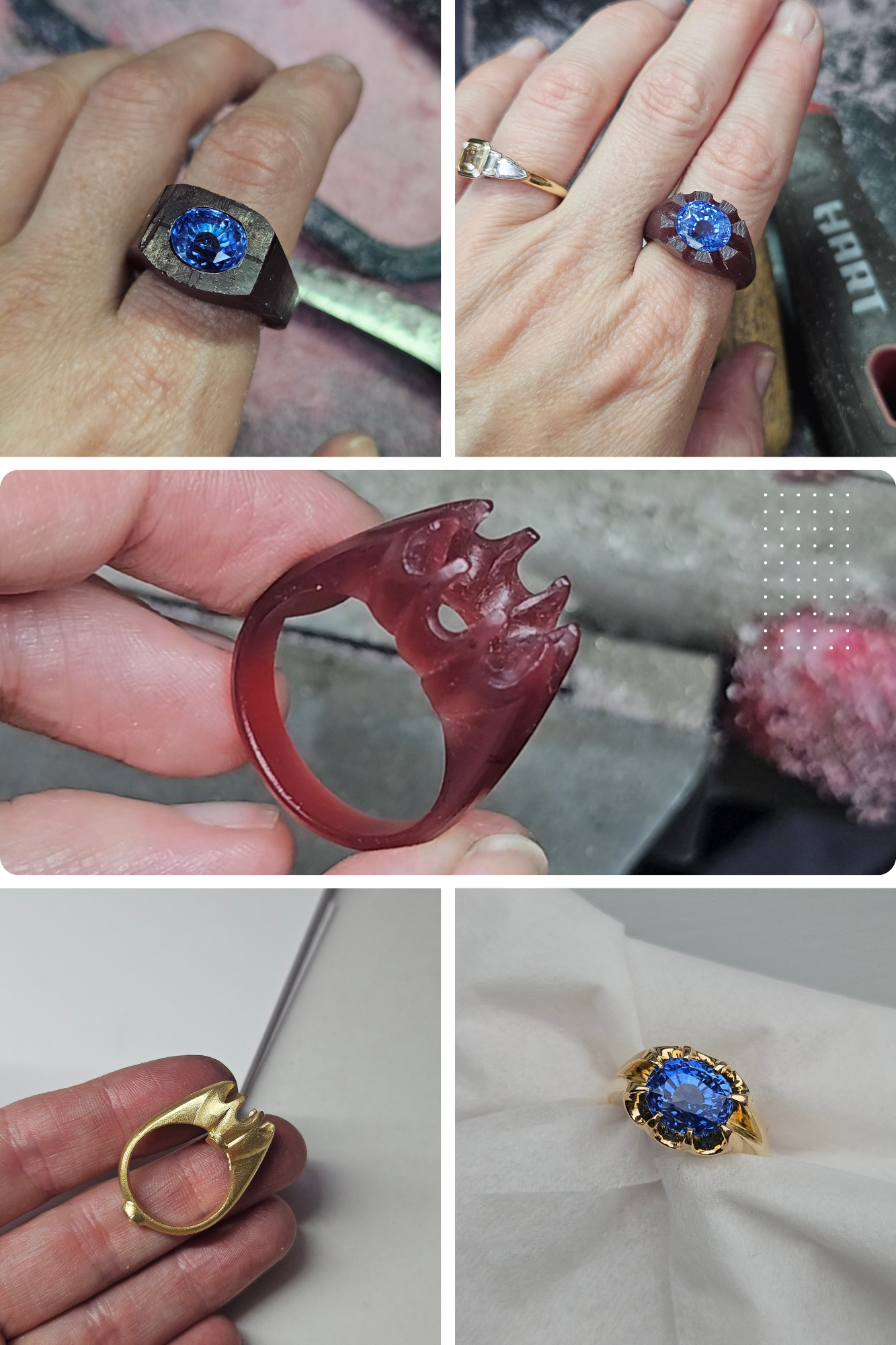
A cast design starts in solid wax, carved into the desired shape using hand files and burrs, then cast in 18ct gold, polished up and set with the client’s heirloom Sapphire. An original design by Eli Speaks Jewellery.
CAD Designed Jewellery
Precision for stone-heavy and intricate designs
For highly detailed designs, CAD (Computer-Aided Design) can offer incredible precision.
The ring is digitally modelled, 3D printed in resin, and then cast in metal before being finished and set by hand.
CAD is particularly useful for:
Pavé or multi-stone settings
Clients who would like to preview their design before production
Designs that might otherwise be tricky or overly costly to Hand Fabricate
Designs made to be repeated or needed on quick turnaround.
Technology, in this context, supports craftsmanship. Every piece is still hand-finished and set at the bench, but the handmade touch of the jeweller is reduced.
As above with casting (as CAD is still ultimately a cast item) we need to take extra consideration to create any work-hardening in these pieces, and ensure that the details aren’t created so fine and delicate that they won’t survive daily wear.
This method is also emplyed for mass-production. It is also not usually suitable for using client gold.
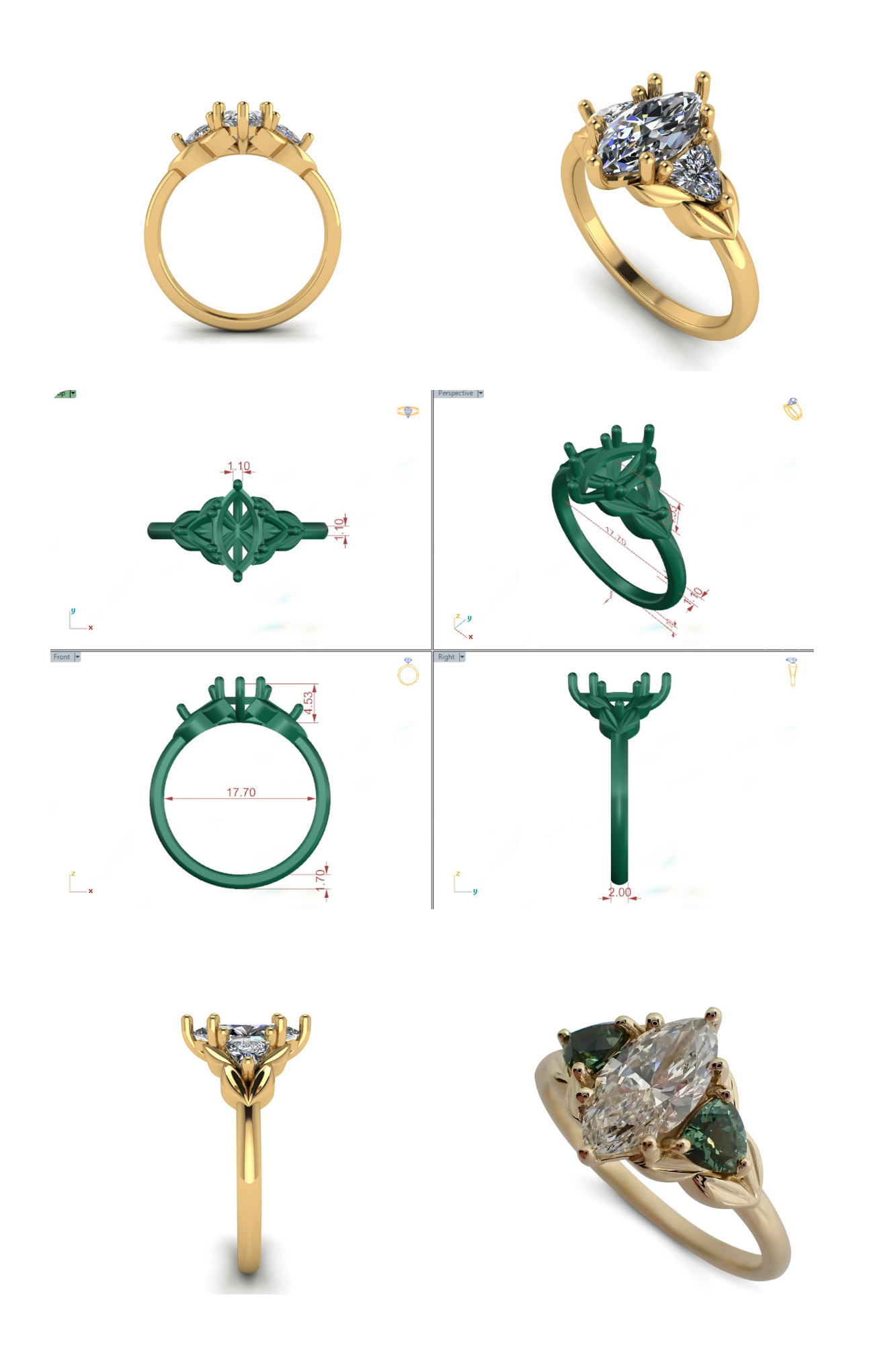
Computer Aided Design used here to create an Engagement ring, from first CAD render to final product in gold, diamond and sapphires. An original design by Eli Speaks Jewellery.
Which Jewellery Manufacturing Method Is Best?
There isn’t really a hierarchy — only what best serves your particular design and needs.
At Eli Speaks Jewellery, we can draw on all three methods!
I will say though, that hand fabrication will always be my preferred method, as the proof of longevity can be seen in these skillfully constructed pieces from several generations back, and I feel more confident that my client’s won’t have any issue with a hand fabricated item than any other method.
An experienced Jeweller will always advise on the best manufacturing method for your special piece. You can be certain we will choose the right method from our wide-ranging skills and experience, for your custom jewellery at Eli Speaks Jewellery.